CLIENT:
DERMAESTHETICS (DBH)
YEAR:
2023 - 2025
ROLE:
Product / UX Designer
TOOLS:
Figma, Illustrator, Photoshop
SCOPE:
Platform Structure · Information Architecture
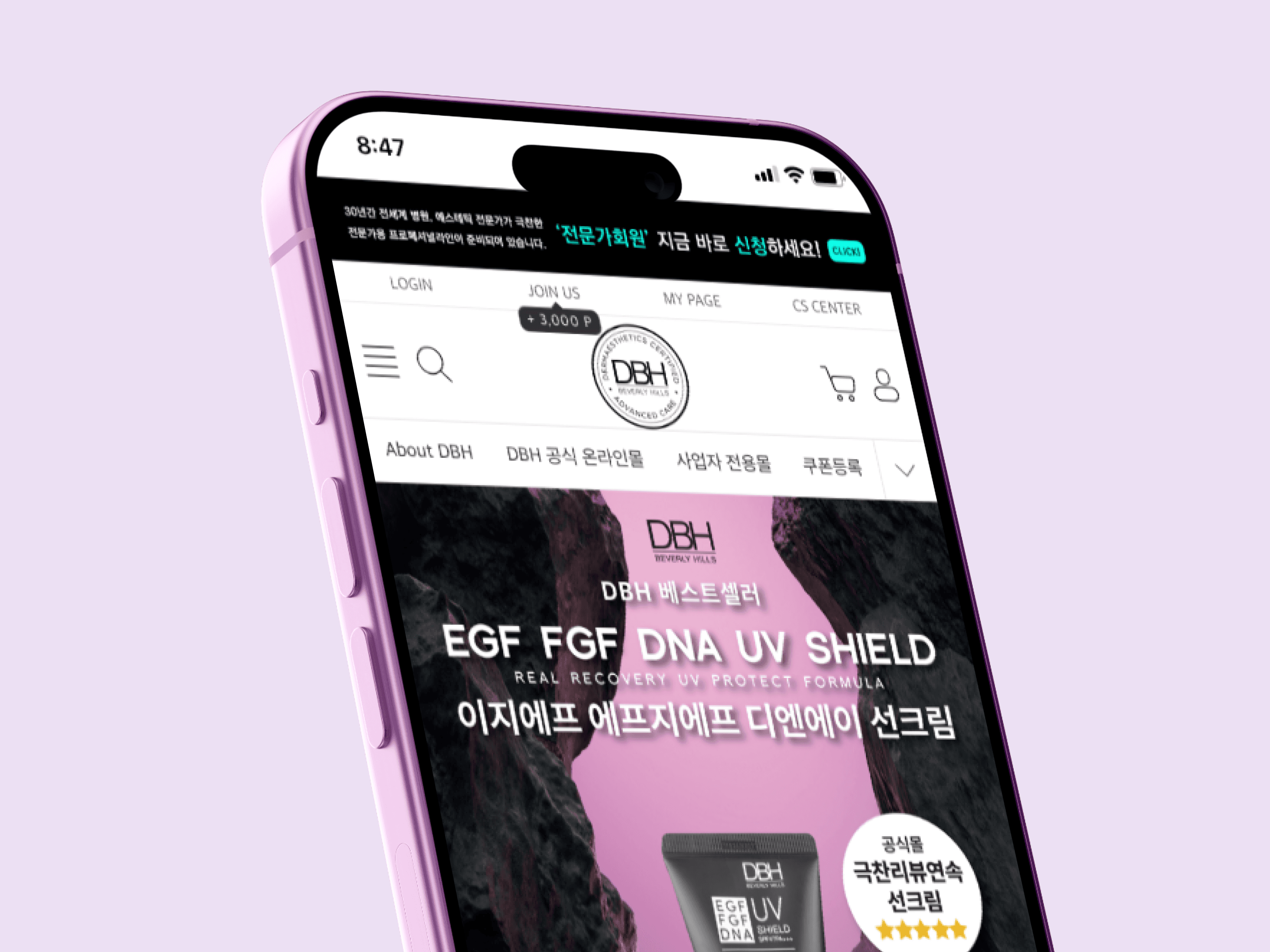
Platform UX Redesign for B2B / B2C Commerce
Overview
The official online mall initially launched as a single platform serving both consumers and professional users.
As user adoption increased, this structure began to cause access confusion, blocked purchase flows, and operational inefficiencies.
To resolve these issues, the platform was redesigned into two fully separated experiences, one for consumers (B2C) and one for business users (B2B), based on user intent, access logic, and long-term scalability.
Background
When One Platform Became a Bottleneck
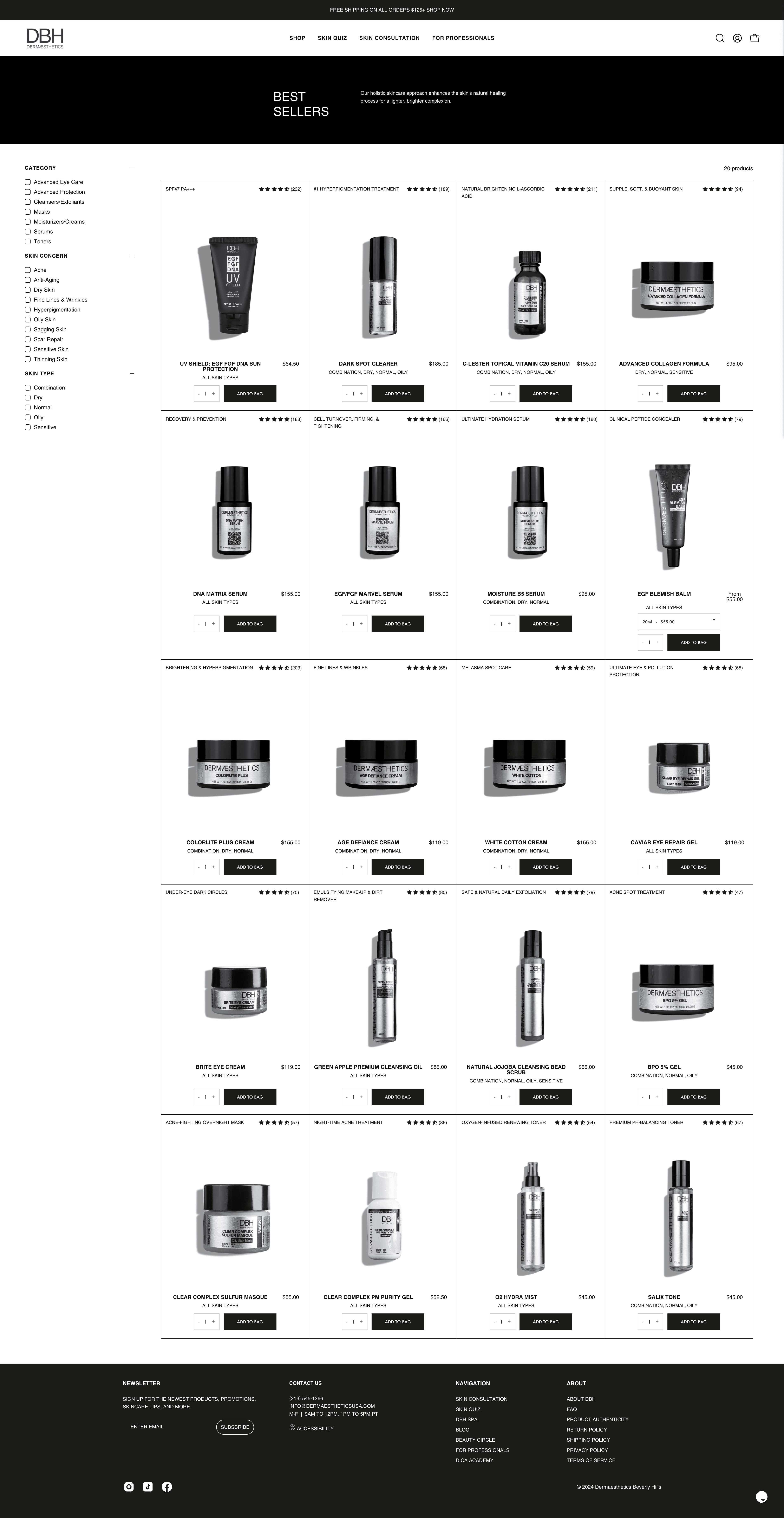
The platform was initially launched as a single experience serving both consumers and professional users.
As adoption increased, user roles diversified and order volume grew. This revealed structural limitations that could no longer be solved through interface-level adjustments.
Consumers and business users were required to use the same website, despite having fundamentally different goals, pricing structures, and usage contexts.
As traffic and order volume increased, multiple structural issues surfaced that could no longer be solved through interface adjustments alone.
Key structural problems
Mixed Users
Consumers and business users with different goals
were forced into a single platform.Access Conflict
Professional-only products and pricing
were exposed to unintended users.CS Load
Customer support inquiries increased
Due to unclear access rules and membership logic.
A single experience could no longer support both user groups effectively.
Core UX Problem
Where the Experience Broke
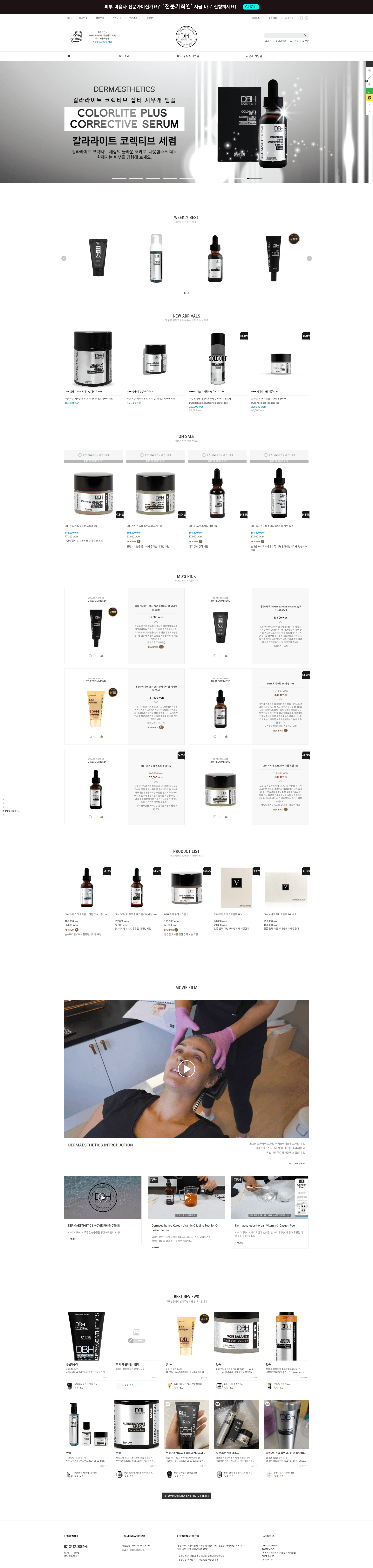
Business-only products began appearing in homepage recommendations.
Consumer users clicked on these products with high purchase intent, only to encounter an “access denied” message.
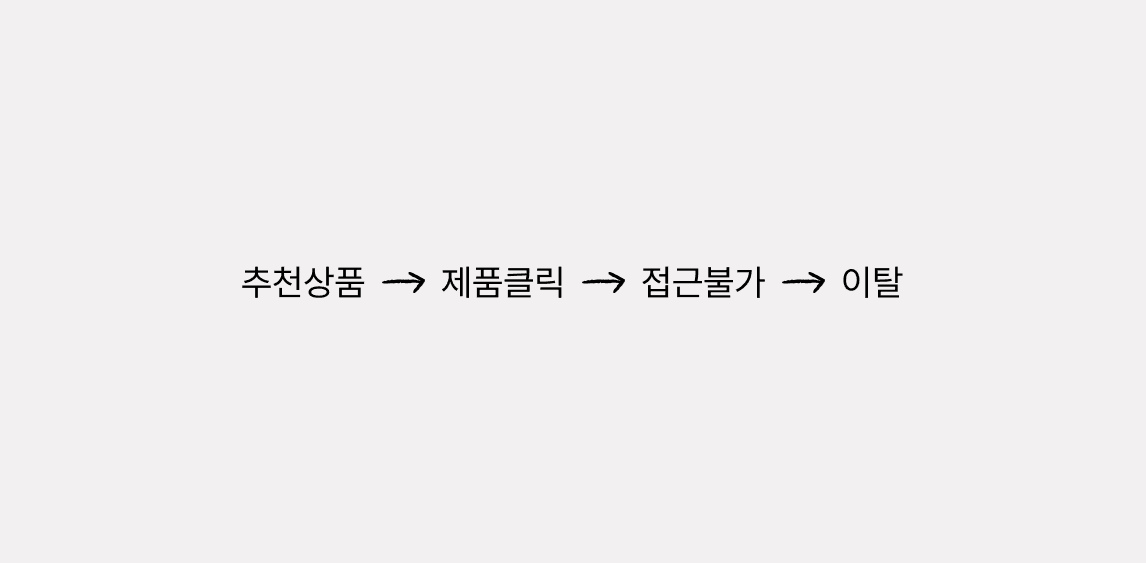
Users were repeatedly encouraged to take actions they could never complete.
This created frustration, broke trust at critical moments, and led to early drop-off.
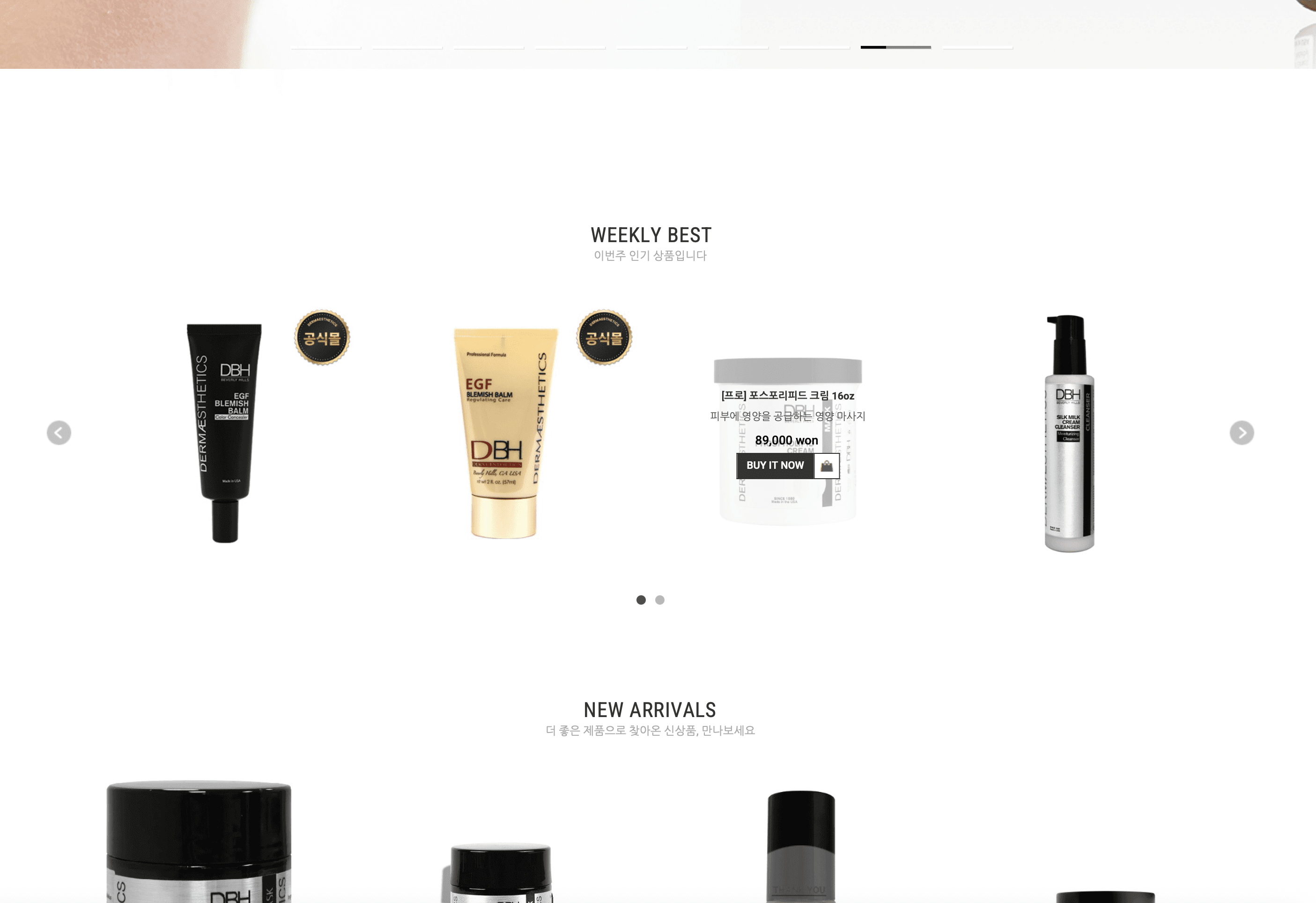
Business-only products appeared in homepage recommendations, encouraging users to click.

Business-only products appeared in homepage recommendations, encouraging users to click.
Key Insight
The problem wasn’t visual. It was structural.
Engagement logic (recommendations) conflicted with permission logic (access control) at the platform level.
This issue could not be solved through messaging or UI adjustments alone.
Design Decision
Why We Chose Full Separation
Role-based tabs
→ High risk of price exposure before loginLogin-first gating
→ Increased friction and reduced conversionConditional access logic
→ Complex maintenance and QA overhead
Several alternative solutions were considered.
These approaches failed to eliminate blocked experiences at high-intent moments.
Final Decision
Build two fully separated platforms, each optimized for a single user intent—consumer or business.
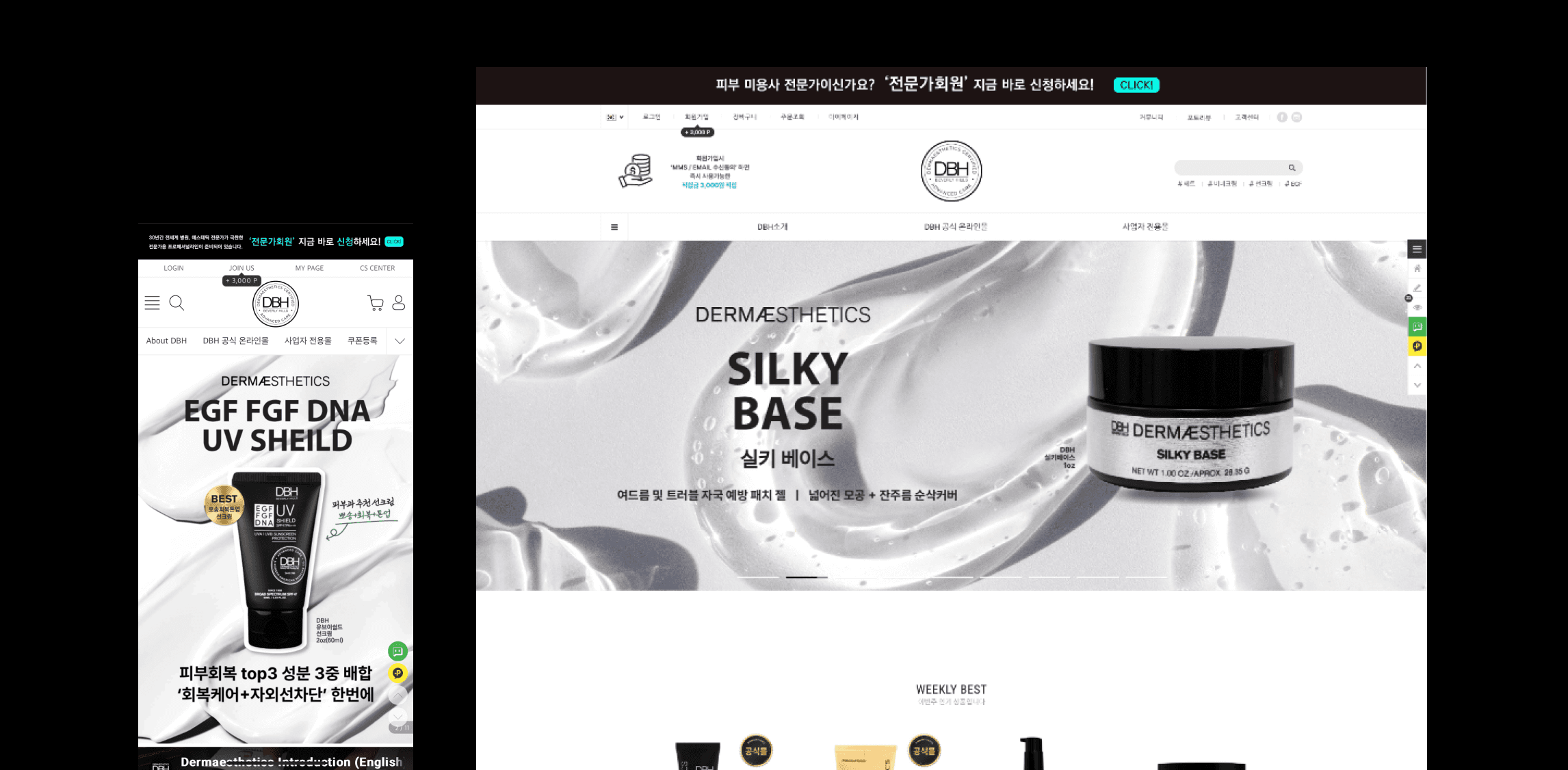
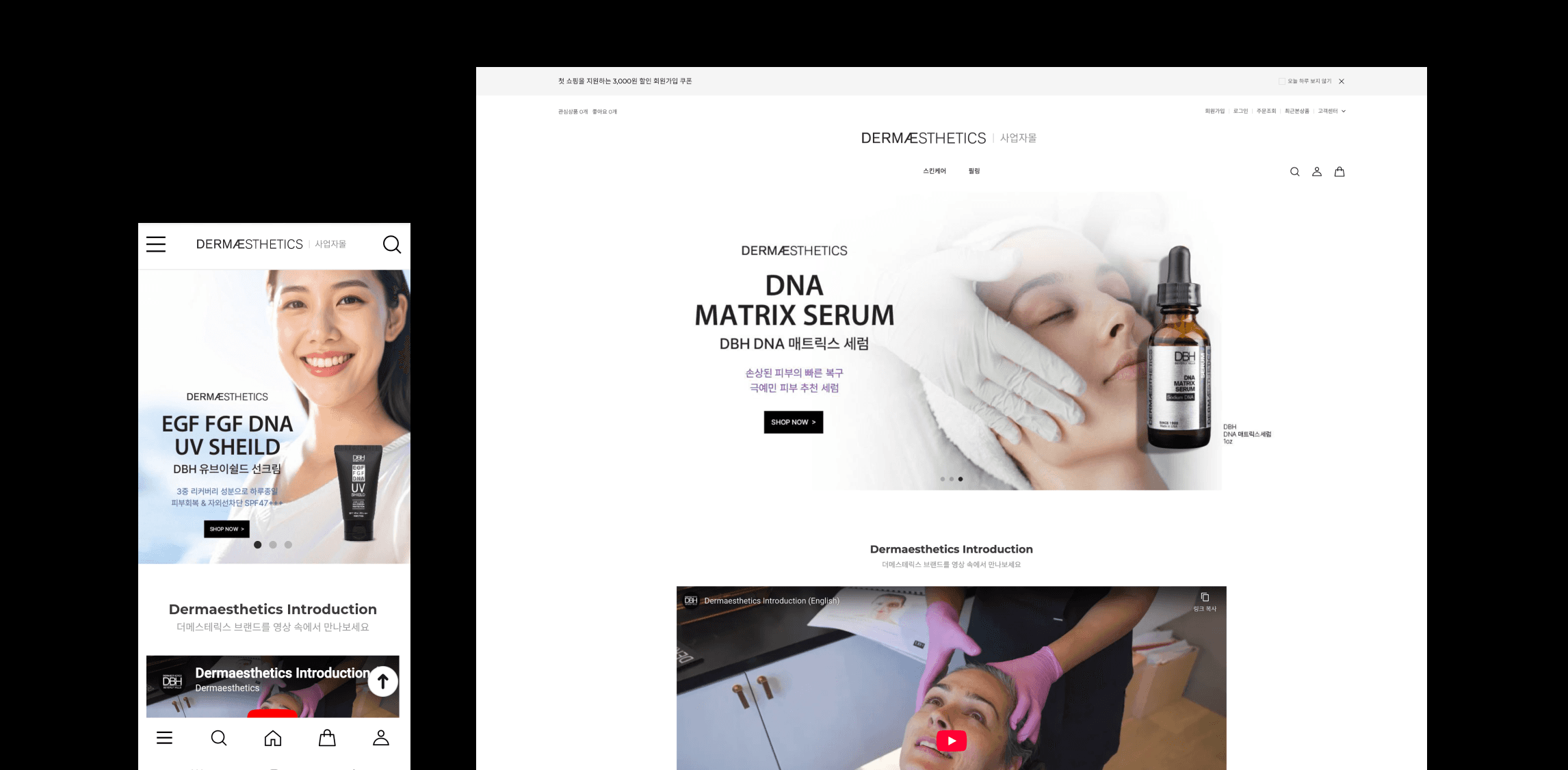
Information Architecture Shift
Business Mall
Unnecessary decision steps were removed, allowing professional users to immediately access task-relevant categories.
Consumer Mall
Discovery shifted from brand-centric navigation to user-centric exploration, eliminating exposure to inaccessible products.
Outcome & Impact
Reduced access-related customer support inquiries
Improved self-guided navigation without explanation
Smoother flow from signup to purchase
Lower operational burden on customer support teams
Friction was reduced by removing decisions, not by adding instructions.
Reflection
This project reinforced that access-control issues are platform problems, not interface problems.
By restructuring the experience around user intent and permissions, the platform became clearer, more scalable, and more trustworthy—without increasing complexity.
Design works best when users are never encouraged to do what they are not allowed to do.